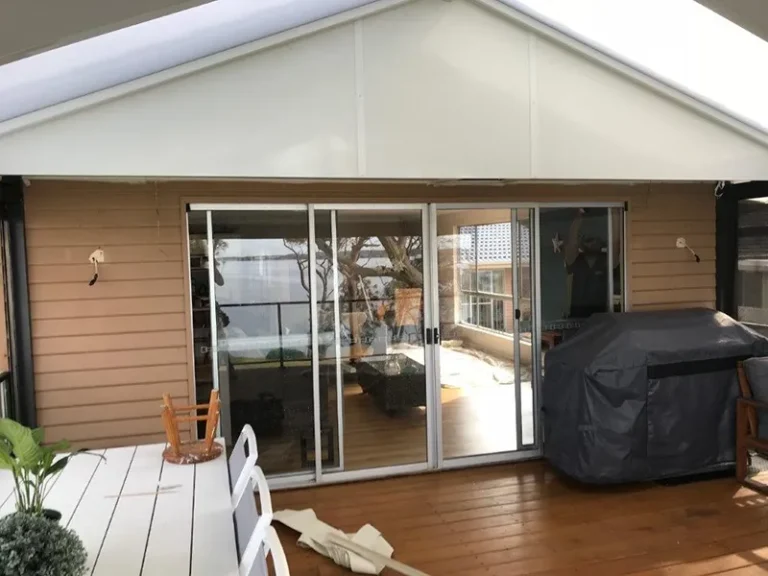
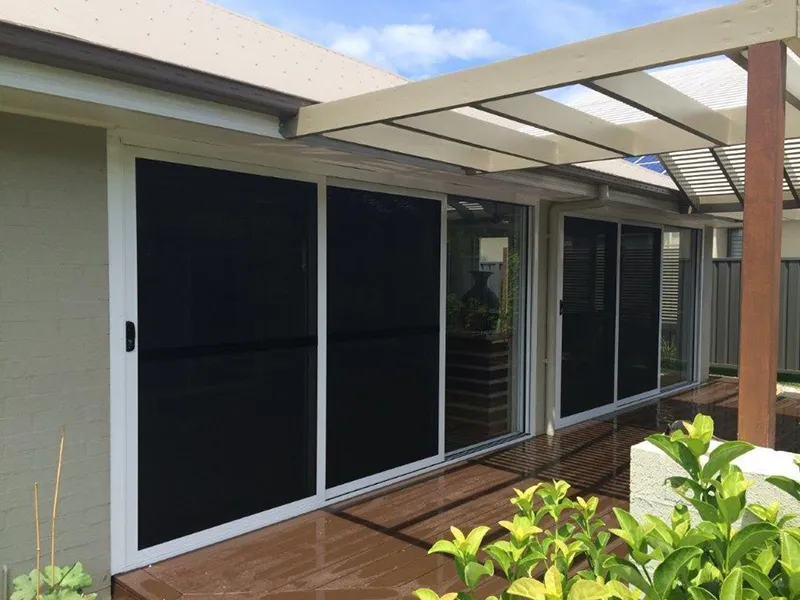
One of the genuine advantages of aluminium windows and doors is how little ongoing attention they need. However, low maintenance doesn’t mean no maintenance. A small amount of regular care keeps everything operating smoothly, looking good, and lasting as long as it should.
On the Central Coast, salt air, UV exposure, and coastal humidity put windows and doors under more pressure than they’d face in most inland areas. As a result, a simple routine makes a real difference to long-term performance. Here’s a practical breakdown of what to do and how often.
Cleaning the Glass
Glass cleaning is the most visible part of window maintenance and also the most straightforward. A mild detergent diluted in water, applied with a soft cloth or squeegee, removes surface grime, salt residue, and general build-up effectively.
Avoid abrasive cleaners or scouring pads, as these scratch the glass surface permanently. Similarly, avoid ammonia-based spray cleaners on tinted or coated glass, since these can damage the coating over time.
On the Central Coast, salt residue accumulates more quickly than it does inland. More frequent cleaning, particularly after periods of strong onshore winds, keeps the glass clear. It also reduces the amount of salt sitting against the frame seals, which helps the seals last longer.
Cleaning the Frames
Aluminium frames don’t need painting or sealing, but they benefit from periodic cleaning. Wipe down the frames with a soft cloth and mild soapy water, then rinse with clean water and dry off.
Pay particular attention to corners and joints, where dust, salt, and moisture tend to accumulate. A soft-bristled brush helps with hard-to-reach spots without scratching the powder coat. Avoid harsh chemical cleaners, as these can dull or discolour the finish over time.
Caring for Tracks and Rollers
The tracks and rollers are where most window and door performance issues begin. Dust, grit, and debris collect in the track channels over time. Left unchecked, this debris puts extra load on the rollers and causes the door or window to drag or operate unevenly.
Clean the tracks regularly with a dry brush or a vacuum to remove loose debris. Follow up with a wipe-down using a damp cloth. Avoid saturating the tracks with water, as this washes lubricant out of the roller bearings.
For lubrication, a dry or silicone-based product applied to the tracks and rollers works well. Avoid oil-based lubricants, because these attract dust and grit, which builds up and creates the exact problem you’re trying to prevent.
Checking the Seals and Weatherstripping
The rubber and foam seals around window and door frames reduce draughts, keep out moisture, and improve acoustic performance. Over time, seals dry out, compress, or pull away from the frame.
Check the seals periodically by pressing gently along them with your fingertip. Look for sections that feel hard or cracked, or that lift away from the frame easily. Damaged seals are worth replacing promptly. A door or window that allows air or water through around the edges works against your comfort and your energy costs, regardless of how good the frame itself is.
Inspecting Hardware and Lock Mechanisms
Handles, hinges, lock barrels, and winding operators on awning and louvre windows all benefit from periodic inspection. Check that handles engage cleanly, that locks turn without stiffness, and that winding operators move smoothly through their full range.
A small amount of dry lubricant applied to lock barrels and hinge points keeps these components moving freely. If a lock becomes stiff or a handle works loose, address it promptly. A lock that’s difficult to operate is a security concern as well as a daily inconvenience.
Caring for Screens
Fly screens and security screens need periodic attention too. Remove the screen, wash it with mild soapy water and a soft brush, rinse thoroughly, and allow it to dry fully before refitting.
Also check the screen mesh for small tears or holes. Even minor damage creates an entry point for insects, which defeats the purpose of having the screen in place. Check the screen frame as well. A bent or distorted frame doesn’t sit flush in the opening, which lets insects in around the edges. In most cases, a damaged frame is more practical to replace than to try to straighten.
When to Call a Professional
Some issues are straightforward to manage at home. Others are worth getting a professional to assess.
If a door or window has become significantly harder to operate after a period of smooth use, the rollers, track, or frame alignment may need attention. If you notice daylight or water coming through a closed and locked frame, the seals or the frame itself warrants a closer look. If a lock no longer engages properly, address it rather than working around it.
At Windows & More Australia, we service windows and doors across the Central Coast and Newcastle. If something isn’t working as it should, call us on 0499 870 404 or get in touch through our contact page and we’ll help you get it sorted.